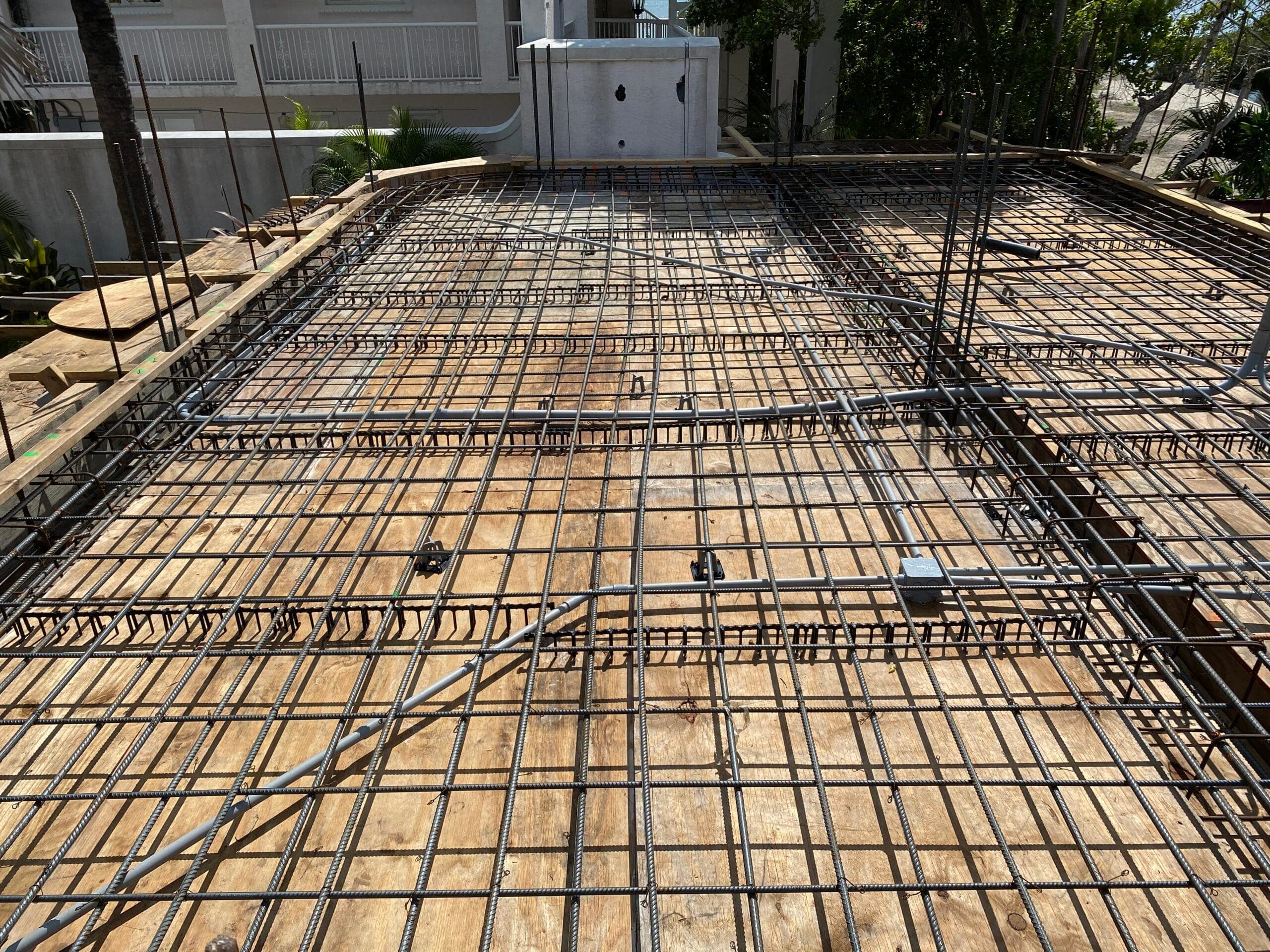
What Our Shell Building Construction Scope Covers
General Contractors of Denton delivers shell building construction for commercial developers, owner-users, and portfolio investors building speculative and build-to-suit product across Denton County. Shell buildings in the Denton market serve a range of uses: warehouse and distribution shells along the I-35 corridor, retail shells along Loop 288 and the US-380 corridor's fast-growing commercial frontage, office shells near Denton's university employment base and medical campuses, and flex industrial shells serving the contractor-bay and light manufacturing demand that follows residential growth in the US-380 exurban belt.
Shell building quality is the primary driver of tenant leasing velocity. A shell that was built to the minimum specification — with undersized electrical service, inadequate base-building HVAC stub-outs, poor enclosure quality, or drainage problems at the dock area — narrows the tenant pool and delays lease-up. A shell built with appropriate base-building infrastructure and quality enclosure widens the tenant pool and supports faster lease-up at better rates.
We deliver shells that are designed for the intended tenant profile — not the lowest-cost template. That means reviewing the shell specification against the target tenants' utility demands, overhead door configurations, finish level expectations, and expansion provisions before the structural system is selected. The additional preconstruction investment in getting the shell specification right almost always generates more leasing value than it costs.
Shell building construction is delivered as a coordinated scope from structural system selection through enclosure, base-building systems, and tenant-ready turnover.
- Structural system review — tilt-wall, PEMB, or structural steel — against the tenant profile, site conditions, and budget for each Denton County shell program.
- Base-building electrical distribution design for individual tenant metering and sub-panel stub-outs that support the full range of intended tenant uses.
- HVAC distribution rough-in provisions for retail, office, and light industrial shells.
- Overhead door configuration and grade-level access design matched to the anticipated tenant circulation profile.
- Enclosure quality review — roofing system, wall panel performance, and glazing package selection for North Texas climate performance.
- Dock package coordination for warehouse and industrial shells — dock levelers, dock seals, and dock door lead-time management.
- Stormwater and site drainage coordination with the civil engineer for shell site programs.
- Tenant improvement-ready documentation package — base-building specifications, utility capacities, and overhead door schedule — for leasing support.
How We Deliver Shell Building Construction in Denton County
Shell building delivery requires the tenant profile and base-building infrastructure decisions to be made in preconstruction — changes to electrical distribution, overhead door counts, and HVAC provisions after the shell is under construction are expensive and disruptive.
Shell Specification and Tenant Profile Review
We begin with a review of the intended tenant profile — whether the shell targets warehouse users, flex industrial tenants, retail operators, or a mix — and translate that into base-building design requirements. Overhead door configuration, electrical service size, HVAC provision strategy, and clear height selection all derive from the tenant profile. Getting those decisions right in preconstruction is where shell building investment is protected.
Structural System Selection and Permit Coordination
Structural system selection — tilt-wall, PEMB, or structural steel — is made against the program requirements, the site conditions, the target lease-up timeline, and the budget. City of Denton and corridor jurisdiction permit timelines vary by project type and review category. We map the permit submission against the construction start target and the structural system's procurement lead time so the shell delivery schedule is realistic.
Base-Building Systems Coordination
Base-building electrical distribution, HVAC stub-outs, plumbing rough-ins for restroom provisions, and fire protection design are coordinated with the structural system and the enclosure design before any field work begins. For multi-tenant shells, individual metering provisions and sub-panel locations have to be designed into the base building — retrofitting them after the shell is complete is expensive and disruptive to completed bays.
Structural and Enclosure Delivery
Shell delivery keeps the structural system, roofing, wall enclosure, glazing, and dock package on one coordinated schedule. For shells with phased delivery timelines — where early bays need to be tenant-ready while later bays are still under construction — we establish zone boundaries, temporary utility management, and certificate-of-occupancy staging plans before construction begins.
Tenant-Ready Documentation and Turnover
Shell building turnover includes a documentation package that supports the developer's leasing program — base-building specifications, utility service capacity information, overhead door schedule, and fire protection classification documentation that prospective tenants and their buildout contractors need to evaluate the space and plan their improvements.
Shell Building Types in Denton County
Shell building construction in Denton County serves the full range of speculative commercial and industrial programs across the county's active development corridors.
I-35 Corridor Warehouse and Industrial Shells
Warehouse and industrial shells along the I-35 corridor in Denton County target logistics, manufacturing-support, and distribution tenants who need clear-height, dock access, and heavy electrical service. Tilt-wall is the dominant structural system for larger footprints. PEMB serves the smaller flex-bay market.
US-380 Corridor Flex and Retail Shells
The US-380 corridor's residential growth is driving demand for retail and flex shells that serve the consumer and light-industrial tenant base following population growth. These shells require retail-quality enclosure design alongside flex industrial functionality — a combination that requires preconstruction attention to the tenant profile.
Loop 288 Commercial Retail Shells
Retail shells along Denton's Loop 288 corridor serve national and regional tenants who have specific base-building requirements for electrical service, HVAC provisions, storefront dimensions, and fire suppression classification. We coordinate retail shell specifications with the anticipated tenant's requirements so the shell is leasable to the target tenants without base-building modifications.
UNT-Adjacent Office and Mixed-Use Shells
Office and mixed-use shells near UNT and TWU serve the university-connected employment market. These shells require office-quality HVAC provisions, above-grade parking or structured parking coordination, and enclosure quality that competes with established office product.
Why Denton County Developers Choose General Contractors of Denton for Shell Building Construction
Shell building success in the Denton County market is measured by lease-up velocity and the quality of tenants the shell attracts. A shell that was built to the minimum specification narrows the tenant pool and extends lease-up timelines. A shell built with appropriate base-building infrastructure and quality enclosure commands better rents and leases faster.
We engage the tenant profile conversation in preconstruction so the shell specification reflects what the target tenants actually need — not what is cheapest to build. That approach adds modest preconstruction investment and typically generates significantly more leasing value.
For out-of-market developers building product in Denton County's growth corridors, we provide local permit knowledge, subcontractor relationships, and market context that accelerates delivery and reduces the risk of specification decisions made without understanding the local leasing market.
Shell building construction work is available throughout Denton, Argyle, Krum, Sanger, Northlake, Corinth, Lake Dallas, Lewisville, Carrollton, The Colony, Little Elm, and the I-35 and US-380 corridors across Denton County.
Nearby Denton markets for this service
Denton
Denton is the county seat and economic center of Denton County — home to the University of North Texas (46,000+ students), Texas Woman's University, Peterbilt Motors, Sally Beauty Holdings, and a manufacturing base that has anchored the north DFW economy for generations. Commercial and industrial construction here serves a market shaped by university growth, established corporate campus programs, and the ongoing US-380 corridor explosion that is pulling new development east and west of the city.
View marketCorinth
Corinth sits at the southern end of Denton County along I-35E, positioned between Denton and the Lewisville Lake recreation zone with direct highway access to the Dallas–Fort Worth core. The city has attracted retail, office, and service commercial development serving the south Denton County residential base, and its I-35E frontage creates industrial and logistics potential that the surrounding residential growth is beginning to activate.
View marketLake Dallas
Lake Dallas is a small city on I-35E at the Lewisville Lake shoreline, serving as a commercial service node for the lake-adjacent residential communities of south Denton County. Commercial construction here is primarily service commercial, retail, and light industrial — serving the lakefront population and the I-35E traffic corridor between Denton and Lewisville.
View marketHickory Creek
Hickory Creek is a small south Denton County city on I-35E between Lake Dallas and Highland Village, positioned at the Lewisville Lake-adjacent zone where highway-facing commercial development serves the south Denton County residential market and the lake-adjacent recreation economy. Commercial construction opportunities focus on I-35E corridor retail, service commercial, and light industrial.
View marketArgyle
Argyle is southwestern Denton County's premier address — an Argyle ISD community anchored by the Robson Ranch 55+ master-planned community and the equestrian estate properties along the I-35W corridor. Commercial construction here serves a high-income residential base, equestrian facilities, and the growing US-377 commercial zone serving south Denton County's most affluent market segment.
View marketFrequently asked questions
What base-building electrical service is standard for Denton County industrial shells?
Standard base-building electrical service for industrial shells in Denton County ranges from 400 to 800 amps at 480-volt three-phase depending on the intended tenant profile. Heavy industrial shells targeting manufacturing tenants may require 1,200 amps or higher. We review electrical service sizing against the tenant profile and coordinate service availability with City of Denton Utilities or the applicable provider during preconstruction.
How does shell building clear height affect tenant leasing in Denton County?
Clear height directly affects the racking and storage density achievable in a warehouse or industrial shell. Modern distribution tenants in the Denton County market typically require minimum 28-to-32-foot clear heights for high-bay racking applications. Flex industrial tenants may accept lower clear heights in the 18-to-24-foot range. We discuss clear height requirements against the target tenant profile during shell specification review.
Can shell buildings in Denton County be designed for future expansion?
Yes. PEMB and tilt-wall shells can both be designed with future expansion provisions — end-wall expansion bays for PEMB and panel-removal provisions for tilt-wall additions. We discuss expansion plans during shell specification so the initial building accommodates growth without requiring major structural modification.