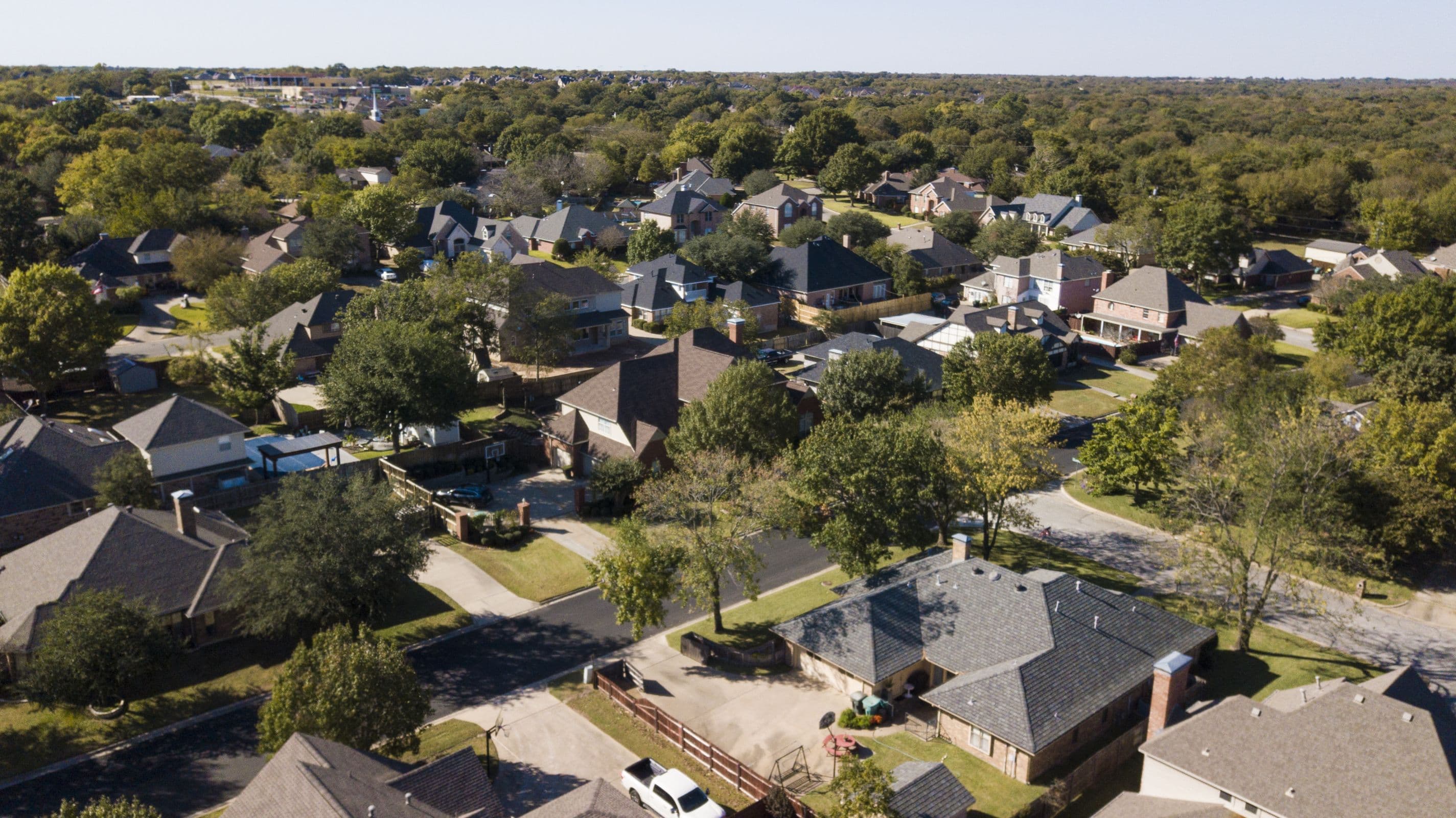
Sherman Construction Market Overview
Sherman is undergoing one of the most significant economic transformations in North Texas history. Texas Instruments' announced investment of up to $30 billion in chip fabrication facilities in Sherman-Denison has triggered a cascade of semiconductor-adjacent manufacturing, supply chain, and industrial development that is reshaping the area's commercial real estate landscape. General contractors who are positioned in this market now will be building for decades.
Sherman is experiencing a commercial and industrial transformation driven by semiconductor manufacturing investment that has no parallel in North Texas history. Texas Instruments' announced plans to build up to ten chip fabrication plants in the Sherman-Denison corridor represent a capital investment that could reach $30 billion over the build-out period and will support tens of thousands of direct and indirect jobs in Grayson County. That scale of manufacturing investment reshapes every aspect of the local commercial real estate market — from the industrial supply chain facilities that serve the fab plants directly, to the workforce housing and retail commercial that serves the workers, to the logistics infrastructure that moves materials and products to and from the fabrication campus.
The industrial development story in Sherman predates the TI announcement. US-75 connects Sherman directly to the McKinney and Collin County commercial market to the south, and Grayson County's available industrial land — at land costs far below what comparable sites in Collin County command — has been attracting distribution, logistics, and light manufacturing investment for years. The TI announcement has accelerated that trend dramatically and added semiconductor-specific manufacturing and supply chain to the industrial demand that the corridor is experiencing.
Sherman's commercial retail and service market is being transformed by the workforce growth that the industrial development is driving. A workforce of tens of thousands of semiconductor manufacturing employees — many of them highly paid engineers and technical specialists — is creating commercial demand for housing, retail, restaurant, medical office, fitness, and hospitality that Sherman's existing commercial infrastructure is not equipped to meet. The commercial construction opportunity in Sherman over the next decade is substantial.
We approach Sherman projects with an understanding that the market is in rapid transition from a small regional city to a major industrial center. The permitting process, utility infrastructure, and subcontractor capacity are all scaling to meet the demand — but they are scaling from a small-city base, which means that industrial and commercial owners who arrive in Sherman need a builder who understands how to manage projects in a market that is growing faster than its infrastructure.
Facility Types We Support In Sherman
Sherman's rapidly transforming industrial and commercial market spans semiconductor-adjacent manufacturing and supply chain, logistics and distribution, workforce commercial, and the professional and healthcare services that a growing industrial workforce requires.
Semiconductor-Adjacent Manufacturing and Supply Chain
The most distinctive industrial construction opportunity in Sherman is semiconductor-adjacent manufacturing and supply chain facilities that support the Texas Instruments fabrication campus. These include specialty materials suppliers, equipment maintenance and service facilities, packaging and logistics operations, and the clean room support functions that semiconductor manufacturing requires. These facilities have specialized building requirements — controlled environments in some cases, ultra-pure water systems, chemical storage and handling infrastructure, and power reliability requirements — that go beyond standard industrial construction and require close coordination with the tenant's operational specifications before the building program is finalized.
Logistics and Distribution Facilities
Logistics and distribution development in Sherman serves both the semiconductor campus supply chain and the broader north Texas commercial market that US-75 connects to the south. Standard distribution and warehouse buildings along US-75 and the major industrial corridors require efficient truck court design, clear height appropriate to the tenant's operational needs, dock configuration, and power capacity. These projects are more straightforward than the specialized semiconductor-adjacent facilities, but they require the same careful site development and utility coordination in a market where industrial infrastructure is being extended rapidly.
Manufacturing Facility Construction
Light and heavy manufacturing facilities in Sherman range from supplier operations serving the semiconductor campus to independent manufacturing businesses attracted by the available industrial land and Grayson County's available labor pool. Manufacturing facilities require building programs designed around the specific production process — appropriate column spacing, floor load capacity, overhead crane provisions in some cases, and utility infrastructure matching the manufacturing process demands. We build manufacturing facilities with the production process requirements in view from the beginning of the design rather than treating the building as a standard industrial shell.
Workforce Commercial and Retail
Workforce commercial serving the growing Sherman industrial employment base includes grocery-anchored retail, restaurant development, fitness facilities, and service commercial that the semiconductor manufacturing workforce requires. The demographic profile of this workforce — a mix of highly paid engineers and technical specialists along with support staff and construction workers — creates demand for both premium and value commercial across the city's retail corridors. First-mover positions in grocery, restaurant, and service retail in Sherman are available now before the supply builds to match the growing demand.
Medical Office and Healthcare Facilities
Medical office and healthcare development in Sherman is scaling to serve both the existing regional population and the growing industrial workforce. Wilson N. Jones Regional Medical Center is the area's primary hospital, and the physician and specialist community around it is growing in response to the population and workforce expansion. Medical office buildings near the hospital campus require clinical MEP infrastructure, building designs compatible with the campus environment, and parking ratios appropriate to the patient and visitor volume these buildings will experience.
What Owners Should Account For In Sherman
Sherman's utility infrastructure — particularly power capacity and sanitary sewer — is being expanded to serve the semiconductor fabrication campus and the industrial development it is driving. Industrial owners planning facilities in Sherman need to confirm utility capacity at the specific site early in preconstruction, as the utility expansion work is ongoing and the available capacity at any specific location depends on where the utility extensions have reached at the time of the project. Connecting to a utility extension that is still under construction can add months to the industrial project timeline.
The semiconductor manufacturing investment in Sherman is creating a subcontractor and skilled labor market that is rapidly tightening. Specialty contractors in concrete, structural steel, MEP, and civil work are being absorbed by the large project pipelines from the TI campus construction and its associated supply chain buildout. Commercial and industrial owners who expect standard subcontractor availability and pricing from the pre-TI Sherman market need to update those assumptions. Securing subcontractor commitments early and locking material releases before mobilization is essential to protecting the commercial project schedule in this market.
The Texas Instruments fabrication campus and its associated supply chain facilities are subject to the CHIPS Act and related federal incentive programs that include domestic content requirements and other conditions. Industrial owners building facilities that are intended to participate in or support the semiconductor supply chain should understand whether their project is subject to any federal program conditions and how those conditions affect the building program, the contracting structure, and the workforce requirements.
Sherman's commercial land market is transitioning from small-city pricing to industrial corridor pricing as the semiconductor investment catalyzes demand. Owners who are evaluating Sherman commercial and industrial sites now need current market knowledge about what comparable sites are actually trading at, not what they were trading at before the TI announcement. We have current market exposure in Sherman and can help owners calibrate their site cost assumptions before they make investment decisions.
Who Uses A General Contractor In Sherman
Semiconductor Supply Chain and Manufacturing Operators
Semiconductor supply chain businesses establishing operations in Sherman need general contractors who understand the specialized building requirements that semiconductor-adjacent manufacturing creates — controlled environments, specialized utility infrastructure, process-specific floor load and column spacing requirements — and can manage those requirements within the rapidly developing Sherman construction market. We approach these projects with the preconstruction discipline required to translate the operational specifications into a building program before the permit application is submitted.
Industrial Investors and Logistics Developers
Industrial investors and logistics developers in Sherman are positioning for the long-term industrial demand that the semiconductor campus will anchor. These investors need a general contractor who can deliver industrial buildings efficiently in a market where utility infrastructure is extending, subcontractor availability is tightening, and the construction market is scaling from a small-city base to a major industrial center. We manage those development environment challenges with the preconstruction discipline and subcontractor network management that the market requires.
Retail and Commercial First-Movers
Retail and commercial first-movers in Sherman are positioning for the workforce commercial demand that the semiconductor industrial investment is creating. These investors need a builder who can deliver neighborhood commercial, restaurant, and service retail quickly enough to capture the first-mover advantage before the supply builds to match the growing demand. We build commercial projects in developing markets with the site development coordination and permit process management that keeps the construction timeline on track despite the market's rapid growth.
Healthcare and Medical Office Groups
Healthcare groups expanding into Sherman are responding to both the existing regional population's demand for improved medical access and the growing workforce population's healthcare needs. Medical office buildings near Wilson N. Jones Regional Medical Center need clinical infrastructure appropriate to the physician practice and specialist group tenants who are establishing operations in the market, delivered on a timeline that captures the early-stage demand before competing buildings come online.
Scheduling And Delivery In Sherman
Scheduling in Sherman must account for the utility extension timeline, subcontractor availability in a tightening labor market, and permit review in a city that is scaling its planning and permitting capacity to match rapid growth. All three of these factors take longer in the current Sherman market than in established commercial markets, and owners who build standard suburban commercial schedules without accounting for these development environment factors will encounter delays that were predictable from the outset.
For industrial projects, we initiate the utility confirmation, the TxDOT access coordination, and the structural material procurement as early in preconstruction as the project scope allows — typically while the building permit is still under review. That parallel approach compresses the post-permit schedule significantly and partially offsets the extended pre-permit timeline that the market's current development environment creates.
For commercial retail and medical office projects, we manage the utility confirmation and the permit process in parallel, and we engage subcontractors early enough to secure committed start dates before mobilization. In Sherman's current tightening subcontractor market, a confirmed start date commitment from the concrete and framing subcontractors at the beginning of preconstruction is more valuable than waiting until the permit issues to begin subcontractor selection.
Nearby Markets Connected To Sherman
Sherman connects directly to Melissa and McKinney to the south via US-75, to Gainesville to the west via US-82, and to Denison to the northeast. The US-75 corridor is the primary commercial and industrial link to the broader DFW metroplex, and industrial and commercial owners in Sherman are typically serving both the local market and the broader north Texas commercial system that US-75 connects.
We work in Sherman alongside positions in the McKinney and Melissa markets to the south and in Gainesville to the west. That regional coverage allows us to give owners accurate comparisons of the development environment, land cost, utility availability, and permitting pace in each market along the US-75 corridor and US-82 corridor.
For industrial investors specifically, understanding how Sherman's semiconductor-driven industrial market compares to the Gainesville logistics market to the west or the McKinney established industrial market to the south is an important input for investment decisions. We have current project experience in all three markets and can provide those comparisons based on what we are seeing in the field, not on historical data.
Services commonly delivered in Sherman
Industrial Construction
Industrial construction for manufacturing, logistics, and processing facilities in Denton County — built around Peterbilt Motors heritage, the I-35 industrial corridor, and Denton's working employment base.
View serviceManufacturing Facility Construction
Manufacturing facility construction for Denton County producers — Peterbilt-adjacent suppliers, oilfield-service manufacturers, and light industrial operators who need building delivery organized around equipment, utilities, and production flow.
View serviceWarehouse Construction
Warehouse construction for distribution, logistics, and storage operations along Denton's I-35 corridor and the US-380 growth belt — built for reliable shell performance and tenant-ready delivery.
View serviceCivil and Utility Infrastructure Packages
Civil and utility infrastructure packages for commercial and industrial developments across Denton County — site grading, underground utility installation, and stormwater management coordinated from design through pad-ready delivery on I-35 and US-380 corridor projects.
View serviceParking Lot Construction
Parking lot construction for commercial, retail, industrial, and institutional properties across Denton County — subgrade preparation, pavement section design, and drainage coordinated for North Texas climate performance.
View serviceNearby markets
Denton
Denton is the county seat and economic center of Denton County — home to the University of North Texas (46,000+ students), Texas Woman's University, Peterbilt Motors, Sally Beauty Holdings, and a manufacturing base that has anchored the north DFW economy for generations. Commercial and industrial construction here serves a market shaped by university growth, established corporate campus programs, and the ongoing US-380 corridor explosion that is pulling new development east and west of the city.
Explore marketCorinth
Corinth sits at the southern end of Denton County along I-35E, positioned between Denton and the Lewisville Lake recreation zone with direct highway access to the Dallas–Fort Worth core. The city has attracted retail, office, and service commercial development serving the south Denton County residential base, and its I-35E frontage creates industrial and logistics potential that the surrounding residential growth is beginning to activate.
Explore marketLake Dallas
Lake Dallas is a small city on I-35E at the Lewisville Lake shoreline, serving as a commercial service node for the lake-adjacent residential communities of south Denton County. Commercial construction here is primarily service commercial, retail, and light industrial — serving the lakefront population and the I-35E traffic corridor between Denton and Lewisville.
Explore marketHickory Creek
Hickory Creek is a small south Denton County city on I-35E between Lake Dallas and Highland Village, positioned at the Lewisville Lake-adjacent zone where highway-facing commercial development serves the south Denton County residential market and the lake-adjacent recreation economy. Commercial construction opportunities focus on I-35E corridor retail, service commercial, and light industrial.
Explore marketArgyle
Argyle is southwestern Denton County's premier address — an Argyle ISD community anchored by the Robson Ranch 55+ master-planned community and the equestrian estate properties along the I-35W corridor. Commercial construction here serves a high-income residential base, equestrian facilities, and the growing US-377 commercial zone serving south Denton County's most affluent market segment.
Explore marketFrequently asked questions
How has the Texas Instruments semiconductor investment changed Sherman's construction market?
Texas Instruments' planned investment of up to $30 billion in chip fabrication facilities in Sherman-Denison is one of the largest manufacturing investments in Texas history. It has triggered a cascade of semiconductor-adjacent supply chain, logistics, workforce housing, and commercial development that is transforming Sherman from a small regional city into a major industrial center. The commercial construction opportunity in Sherman over the next decade is among the largest in North Texas.
What are the specialized building requirements for semiconductor-adjacent manufacturing facilities?
Semiconductor-adjacent manufacturing facilities often require building characteristics that go beyond standard industrial construction: controlled environments in some production areas, ultra-pure water systems, chemical storage and handling infrastructure, higher power reliability requirements, specific column spacing and floor load capacity, and in some cases vibration isolation for sensitive equipment. These requirements must be translated into the building program before the permit application is submitted, which requires close coordination with the tenant's operational specifications during preconstruction.
How does the subcontractor market in Sherman differ from established DFW markets?
Sherman's subcontractor market is tightening rapidly as the semiconductor campus construction and its associated supply chain buildout absorb available specialty contractor capacity. Commercial and industrial owners who expect the subcontractor pricing and availability of the pre-TI Sherman market need to update those assumptions. Securing early commitments, locking material releases before mobilization, and building subcontractor selection into the preconstruction process rather than waiting until after permit issuance are essential practices in Sherman's current construction environment.
How does utility infrastructure availability affect commercial and industrial projects in Sherman?
Sherman's utility infrastructure — particularly power capacity and sanitary sewer — is being expanded to serve the semiconductor campus and the associated industrial development. The available capacity at any specific site depends on how far the utility extension has progressed at the time of the project. We confirm utility availability at the specific site early in preconstruction and, when extension is required, coordinate the extension design and permitting in parallel with the commercial building design.
What first-mover commercial opportunities exist in Sherman for retail and service commercial?
The semiconductor manufacturing workforce — engineers, technical specialists, and support staff — is generating commercial demand for grocery, restaurant, fitness, and service retail that Sherman's existing commercial infrastructure is not yet equipped to serve at scale. First-mover positions in these categories, established before the supply builds to match the demand, have the potential to capture lease terms and tenant relationships that become difficult to replicate once the market reaches competitive equilibrium.
How does General Contractors of Denton manage projects in a rapidly developing market like Sherman?
We manage projects in rapidly developing markets by initiating the utility confirmation, TxDOT access coordination, and material procurement in parallel with the permitting process rather than sequentially. We also secure subcontractor commitments earlier than standard practice in established markets, because subcontractor availability in rapidly growing markets tightens faster than owners accustomed to mature market conditions expect. Our experience in developing markets — including the US-380 corridor growth areas in Denton County — gives us practical knowledge of the construction management practices that protect schedule in these environments.